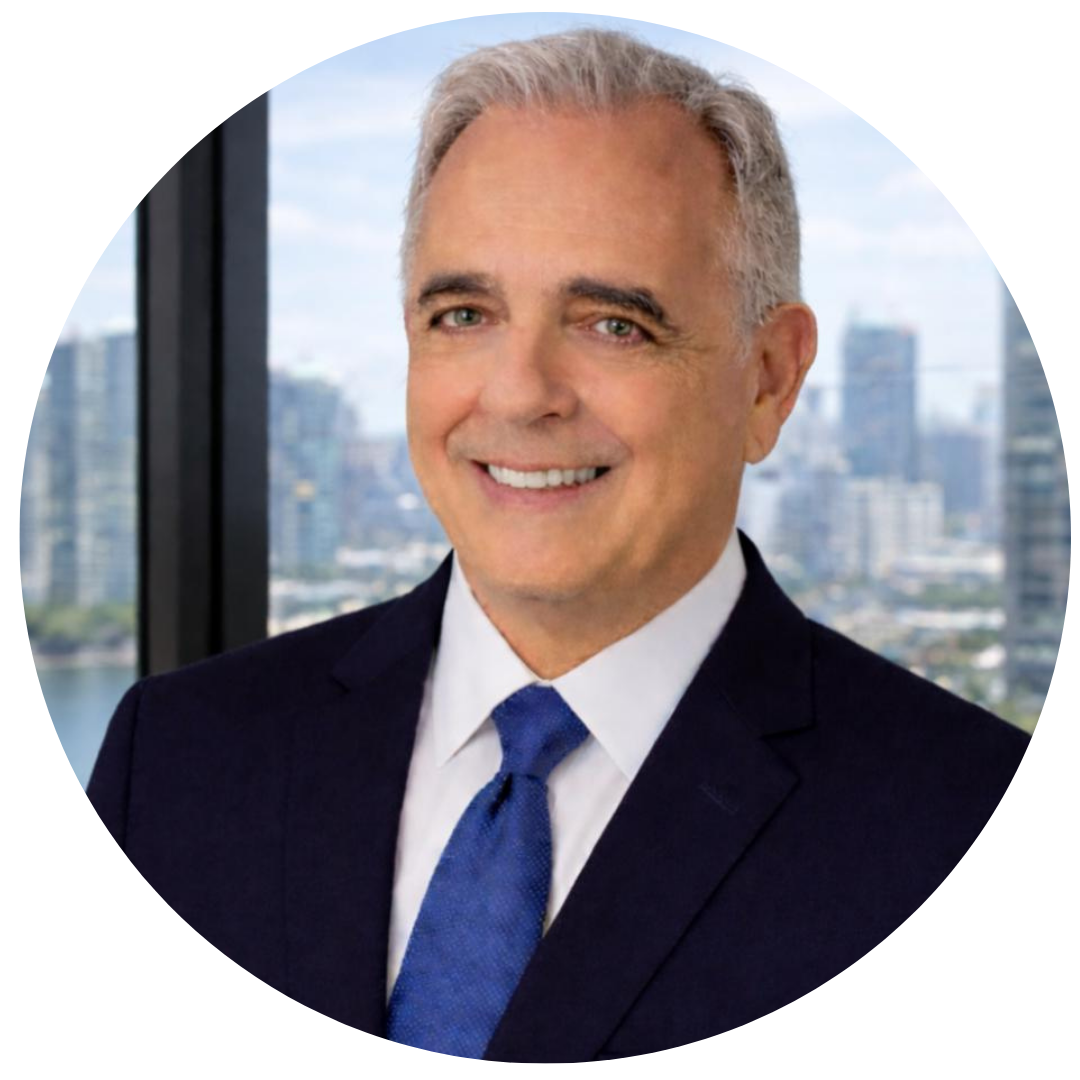
Transforming technical knowledge into innovative solutions for your business
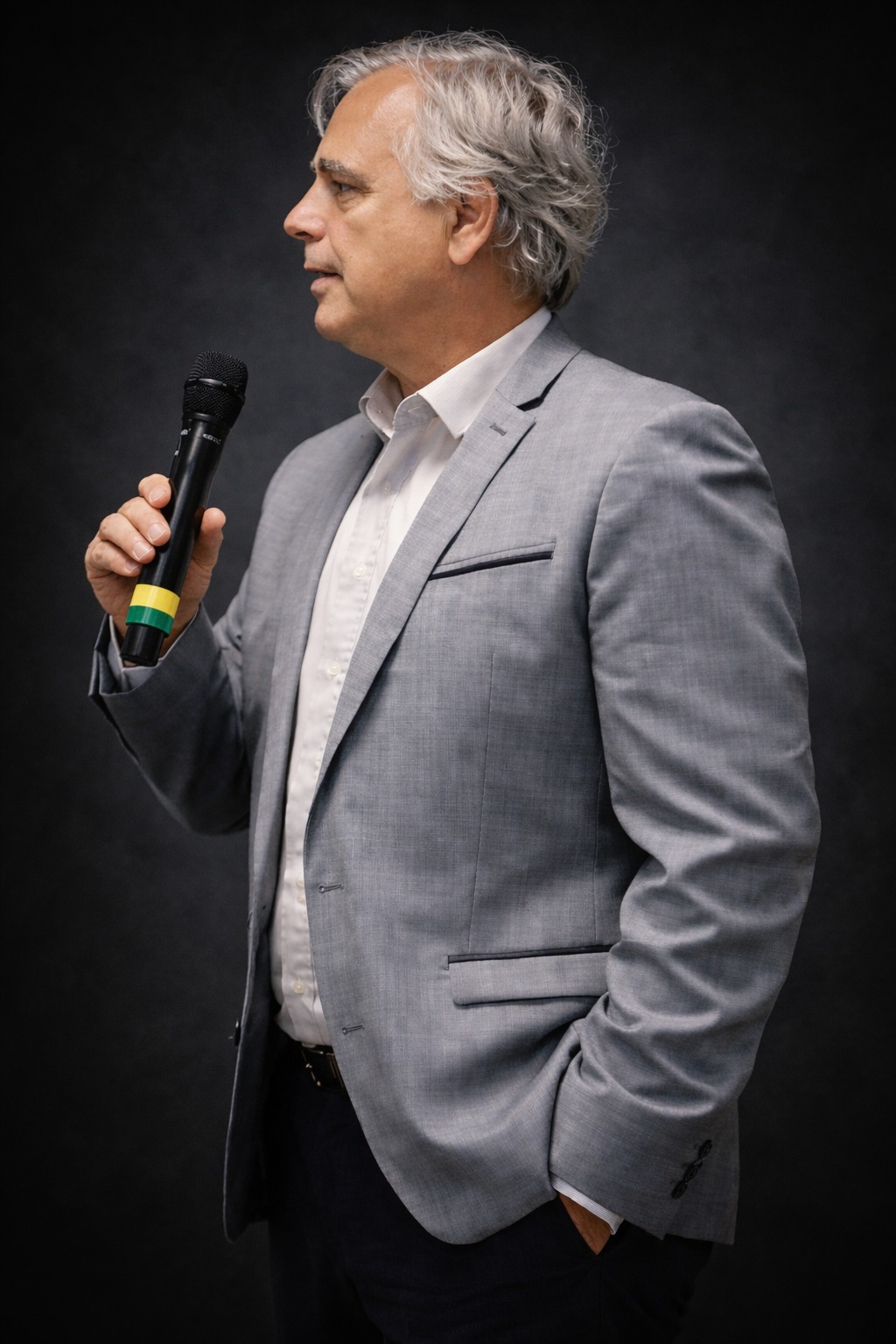
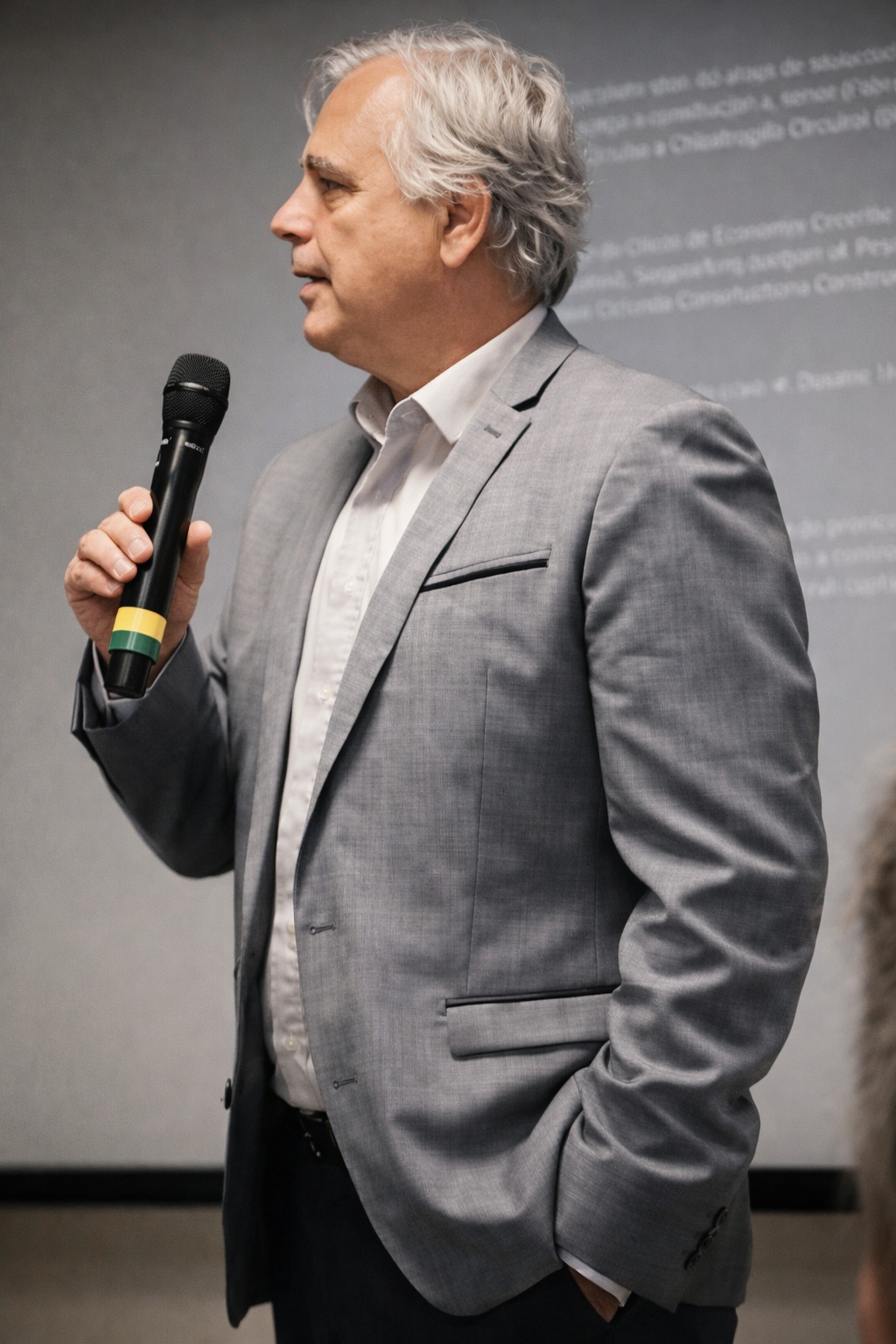
I’m Celso Silva Bastos, an architect and urban planner with more than 40 years of experience dedicated to sustainability and innovation in the construction industry. Holding a Master’s degree in Civil Engineering and a Ph.D. in Environmental Engineering, I focus my work on water efficiency, circular economy, and low-carbon solutions.
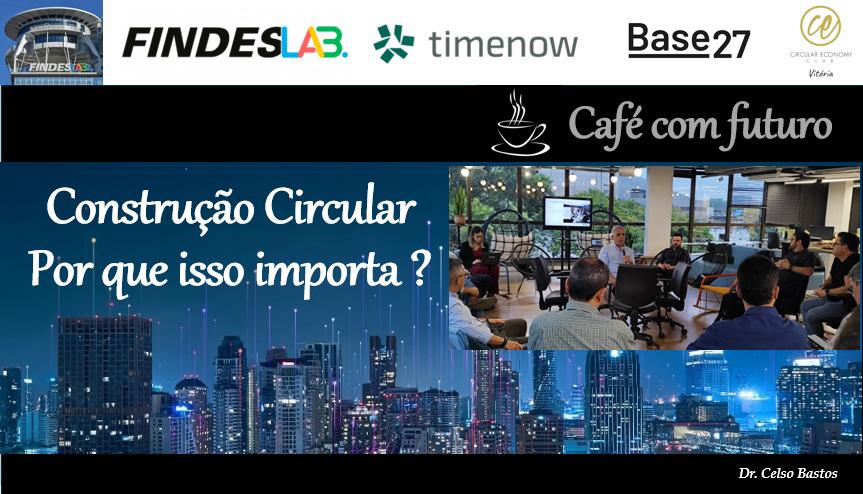
I serve as Coordinator of the Circular Economy Club (CEC) Vitória–ES (United Kingdom), and Brazilian Ambassador of the International Circular Construction Cluster (Slovenia), contributing to the development of circular and regenerative construction in the country.
Through consulting, lectures, and training programs, I support organizations and professionals in transitioning to more sustainable and innovative models. I also work as a technical consultant at Construtora Excelência Engenharia and OUT Arquitetura e Engenharia.
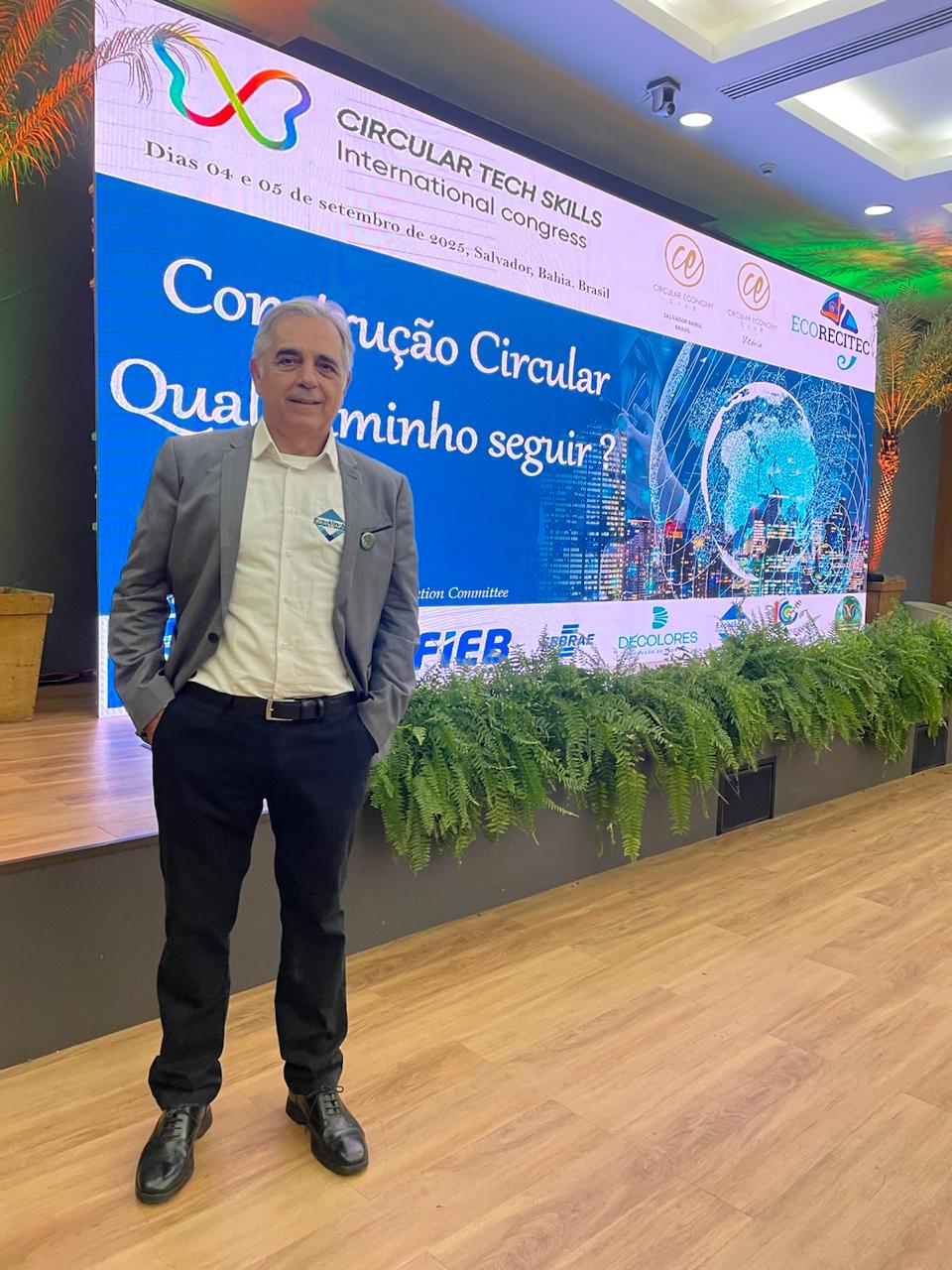
Architect, consultant and speaker with over 40 years of experience
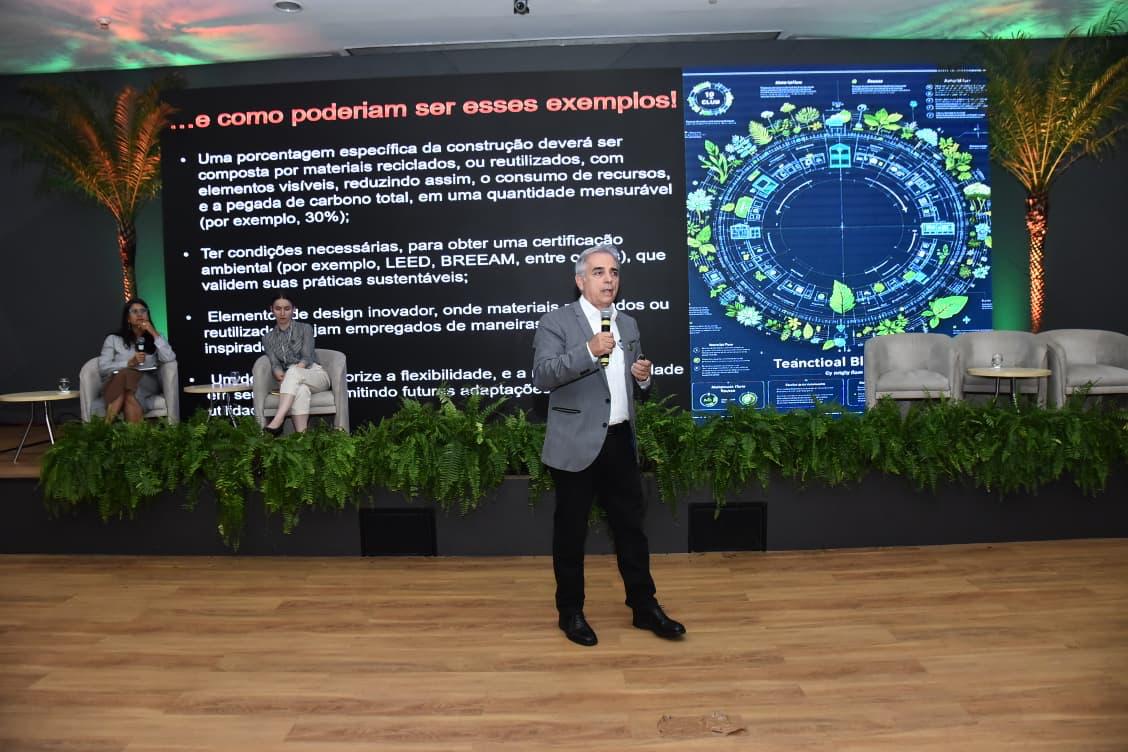
Most requested topics:

His academic journey stands out for research focused on water sustainability, environmental management and clean technologies in civil construction.
UFES - Federal University of Espírito Santo - ES
NEXEM - Center for Excellence in Metallic Structures - ES
Gama Filho University/RJ
Downloadable materials
Promote sustainable and regenerative solutions in the construction industry
Disseminate technical knowledge through lectures, courses and publications
Promote the training of new specialists committed to the principles of the circular economy.
Develop innovative projects for low-waste construction.
Promote applied research in partnership with universities and companies
Act as a strategic consultant on public sustainability policies
We offer specialized services focused on results and innovation
Analysis and personalized solutions for engineering projects with a focus on efficiency and innovation.
Training technical teams with modern methodologies and market practices.
Technical presentations at national and international events on relevant engineering topics.
Development of customized projects for complex engineering challenges.
Higher education teacher in architecture and urban planning and engineering courses (civil, mechanical, electrical, construction
Urban planning architect, responsible

Tech Skills
2025
University of Lusíada
2025
CAU/ES
2022
GAoS
2022
Federal University of Espírito Santo
2019
Faesa
2018
Federal University of Victoria
2013
Gama FIlho University
1982


Available for International Conferences
Regenerative construction goes beyond harm reduction; The content explores strategies for the development of low-impact construction subsystems, the use of bio-based materials and the integration of technologies that allow the closure of resource cycles. Format: High-level academic seminars, international technology forums and research and development meetings
Available for International Conferences
This lecture offers a profound immersion into the evolution of architecture and urbanism in Brazil, tracing a timeline that connects early colonial manifestations to contemporary high-performance technical solutions. Far from being just a historical and aesthetic rescue, the approach analyzes how Brazilian urban design and construction techniques shaped—and were shaped by—social, geographical, and economic transformations over the decades. Through a critical reading, fundamental milestones such as the introduction of modernism, urban void management, industrialization of construction, and finally, the transition to current 21st-century requirements for resilience and sustainability are discussed. Target Audience: Undergraduate and graduate students, architects, urban planners, and international researchers interested in the technical and cultural production of Latin America. Format: Available for in-person conferences and international institutional seminars.
Available for International Conferences
Traditional civil construction is historically associated with high rates of waste and environmental impact. This lecture presents industrialized construction as the technical answer to reverse this scenario, demonstrating how migrating from the construction site to the controlled factory environment transforms the sector. The approach details advanced construction methods, the benefits of modularity, and the use of new materials that optimize schedules and reduce the carbon footprint. The central focus is on strategic waste management and design for deconstruction. Target Audience: Builders, developers, civil engineers, architects, and real estate professionals interested in innovation and ESG. Format: Industry conventions, corporate workshops, and technical seminars.
Available for International Conferences
Faced with the depletion of the linear production and consumption model, this lecture explores the transition to regenerative urban systems grounded in the Circular Economy. The approach integrates Environmental Engineering principles into city planning, proposing a new logic where waste is eliminated by design and resources are maintained at their maximum utility value through continuous flows. The presentation details how industrial symbiosis, urban metabolism, and industrialized construction can drastically reduce the environmental impact of contemporary metropolises. Target Audience: Engineers, urban planners, public managers, graduate students, and investors focused on low-carbon technologies and applied sustainability. Format: Technical conferences, innovation forums, and corporate or academic panels.
Available for International Conferences
The architecture of the future requires us to think not only about how to build, but how buildings can be disassembled and their components reused at the end of their useful life. This lecture explores the concept of Design for Deconstruction (DfD), a design methodology that anticipates the end of the building's life cycle right at the conception stage. The approach details practical strategies for material selection, reversible connection systems, and the importance of component traceability, transforming demolition into a stage of value recovery. Target Audience: Architects, designers, materials engineers, and academics focused on circular economy and constructive innovation. Format: Advanced seminars, technical lectures, and keynote addresses in graduate courses.